


NICU & Preemie Baby Clothes
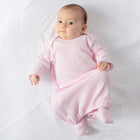
September is NICU Awareness Month, a time to honor the tiniest babies, the families who love them, and the dedicated caregivers who support them through every milestone. At Paty, we believe even the smallest babies deserve clothing made with their unique needs in mind. From soft preemie and micro-preemie baby clothing to our new PatyPort™ styles designed with discreet G-tube access, we're continuing our tradition of thoughtfully making baby clothes that bring comfort, simplicity, and a little sweetness to everyday moments - both in the NICU and at home.


Meet Blair & Letty: The NICU story behind PatyPort™
Every NICU journey is different, but each one is filled with moments most families never expect to navigate. When Blair shared Letty’s story with us, she helped us understand how even something as simple as getting dressed can become complicated for a baby who relies on a G-tube. Her experience became part of the heart behind PatyPort™ - a thoughtful design created to make one small part of everyday care a little easier.

PatyPort™ Products
shop the look




Why NICU & Preemie Clothing Matters
Dressing a premature baby can look a little different from dressing a full-term newborn. Babies in the NICU may need clothing that works around monitors, IV lines, feeding tubes and other medical equipment while still keeping them comfortable and allowing caregivers easy access.
When choosing NICU baby clothes, look for soft fabrics, simple openings and styles that are easy to put on and remove. Sizing matters, too. Preemie and micro-preemie clothing is designed for babies who may be much smaller than standard newborn sizing.
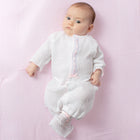
For babies with a G-tube, adaptive baby clothing can make everyday feeding and care easier. PatyPort™ styles incorporate discreet G-tube access directly into Paty's classic pleated designs, allowing parents and caregivers to reach the tube without completely undressing baby.

Paty Size chart
Find the right size for your precious one in terms of weight!
Size on text:
Micro Preemie (00) : Up to 3 lbs
Preemie (0) : 2-4lbs
Newborn (1) : 5-10lbs
3-6 Month (3) : 11-14lbs
6-9 Month (6) : 15-18lbs
9-12 Month (9) : 19-22 lbs
12 Months (12) : 23-25 lbs
18 Months (18) : 26-28 lbs
2T : 29-31 lbs
3T : 31-34 lbs
4T : 34-38 lbs
5T : 38-42 lbs
Once you are done, you can continue shopping again!
NICU & PatyPort™ FAQs
What is a Micro Preemie?
“Micro preemie” is a term commonly used for babies born extremely prematurely or at an extremely low birth weight. Because these babies can be much smaller than standard preemie sizing, micro-preemie clothing is designed with their tiny proportions in mind. Every baby's NICU journey is different, so families should always follow their care team's guidance about when their baby is ready to wear clothing.
What's the difference between Micro Preemie, Preemie and Newborn?
Micro-preemie clothing is designed for the smallest premature babies, while preemie clothing is sized for babies who are smaller than typical newborn sizing. Newborn clothing is generally larger and designed for full-term newborn proportions. Because sizing can vary by brand, and every baby grows differently, we recommend checking Paty's size guide to find the best fit for your little one.
Why do premature babies need specialized clothing?
When choosing NICU baby clothing, look for soft fabrics, simple designs, comfortable fits, and styles that make dressing and undressing easier. Depending on a baby's individual medical needs, caregivers may also need easy access for tubes, monitors, or other care. NICU clothing guidelines can vary, so always ask your baby's care team what types of clothing are appropriate before bringing clothes to the NICU.
What is PatyPort™?
PatyPort™ is Paty's thoughtfully designed clothing for babies with G-tubes. Inspired by the needs of NICU babies and their families, PatyPort™ incorporates a discreet access point into Paty's classic pleated design, helping caregivers reach a baby's G-tube while allowing baby to remain comfortably dressed.
How does PatyPort™ provide access to a G-tube?
The PatyPort™ opening is discreetly incorporated behind the garment's pleats. When G-tube access is needed, the pleat can be moved aside to reach the tube without completely undressing baby. When access isn't needed, the opening remains tucked within the design, preserving the timeless look of a classic Paty garment.
Can babies without a G-tube wear PatyPort™ clothing?
Yes. PatyPort™ styles can be worn just like our other baby clothing. The G-tube access opening is discreetly incorporated into the pleated design, so when it isn't being used, it blends naturally into the garment.
What PatyPort™ styles and sizes are available?
PatyPort™ is launching in select Paty styles designed to combine the softness and classic styling families know from Paty with discreet G-tube access. Available styles, colors, and sizes may change as the collection grows, so visit the PatyPort™ collection to see our current selection.
How should I dress my premature baby while they're in the NICU?
What a premature baby can wear depends on their size, medical needs, temperature regulation, and the type of care they're receiving. Some babies may be able to wear preemie clothing while others need unobstructed access for medical care. Your baby's NICU team can tell you when clothing is appropriate and which styles will work best for your baby's individual needs.